LTE Versus LMR Interoperability in the Field
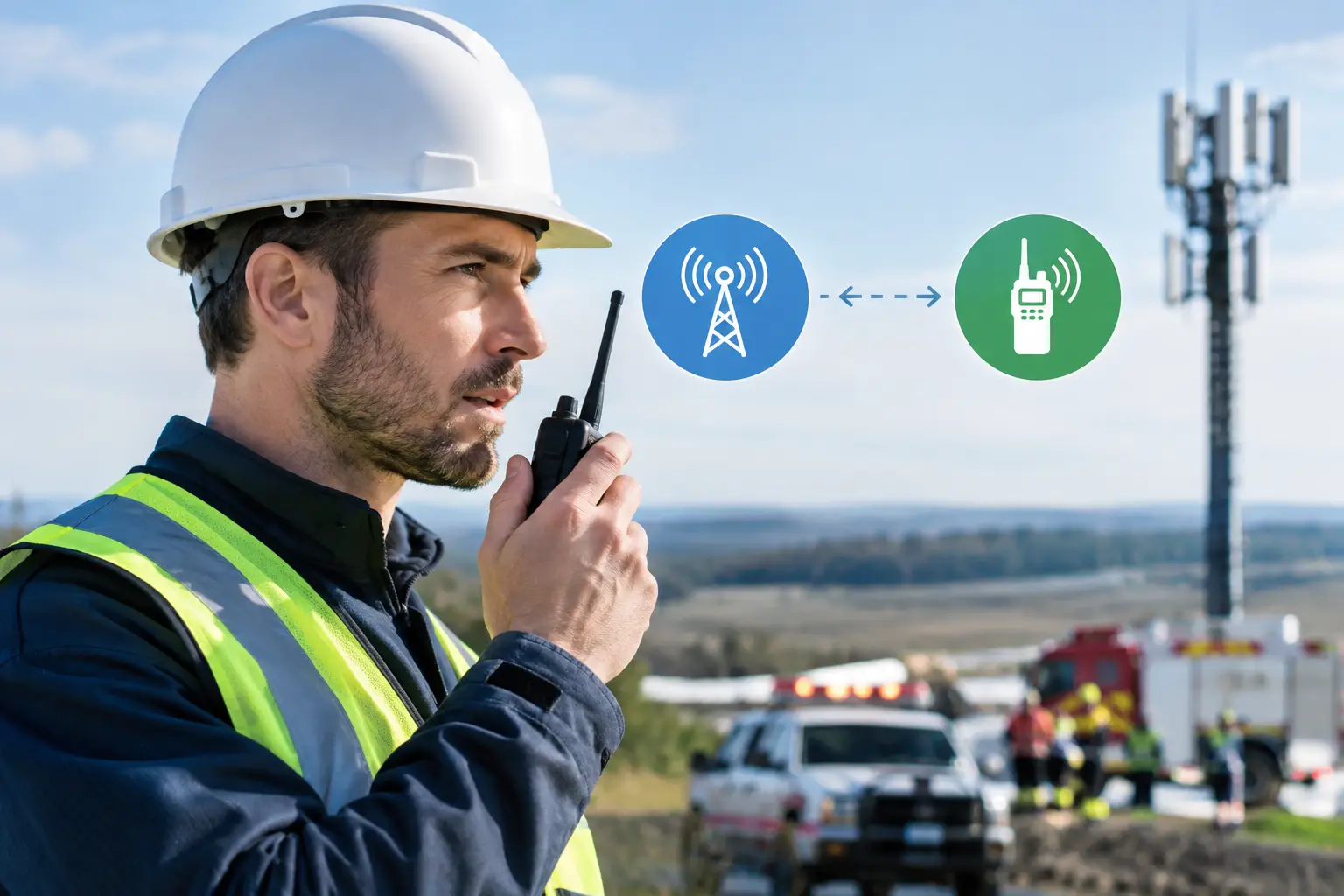
LTE versus LMR interoperability connects broadband data with proven mission-critical voice. Learn where it works, where it fails, and how to engineer it.

LTE versus LMR interoperability connects broadband data with proven mission-critical voice. Learn where it works, where it fails, and how to engineer it.
Private 5G vs CBRS is not a simple technology choice. Learn how spectrum, architecture, mobility, and operations shape a field-ready network design on site.
Learn how to specify the best wireless links for windfarms, from turbine backhaul to offshore stability, private LTE, capacity, and uptime planning.
See a windfarm wireless deployment example built for turbine data, crew access, and backhaul continuity across changing terrain and weather conditions.
CBRS deployment trends are moving private LTE and 5G from pilots to engineered, mission-ready networks for industrial, maritime, and public safety users.
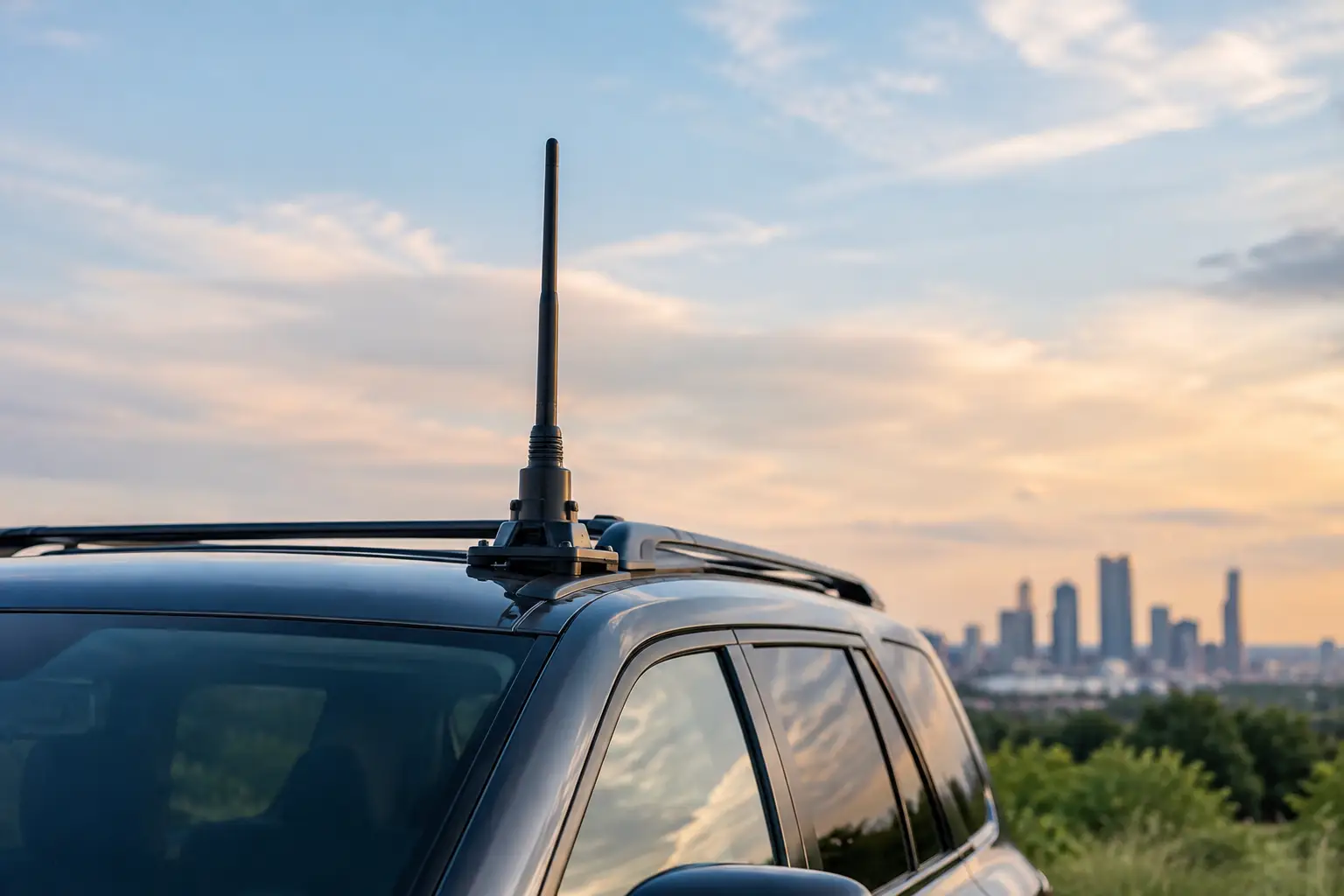
This vehicle mounted antenna guide explains mounting, RF design, stabilization, and testing for reliable mobile broadband in mission-critical operations.
Why do microwave links fail? Learn how path obstruction, fading, alignment, interference, and equipment faults affect mission-critical wireless uptime.
CBRS network architecture connects private LTE and 5G radios, spectrum access, backhaul, and security for reliable industrial and mobile operations daily.
Secure shipboard LTE traffic with segmented onboard networks, authenticated access, encrypted backhaul, and resilient coverage built for vessels at sea.
What is link budget? Learn how RF gains, losses, receiver sensitivity, fade margin, and antenna alignment determine dependable wireless links in the field