
Temporary Network for Field Operations That Holds Up
Build a temporary network for field operations with engineered backhaul, private LTE/5G, and auto-aiming links built for harsh, mobile sites at scale.

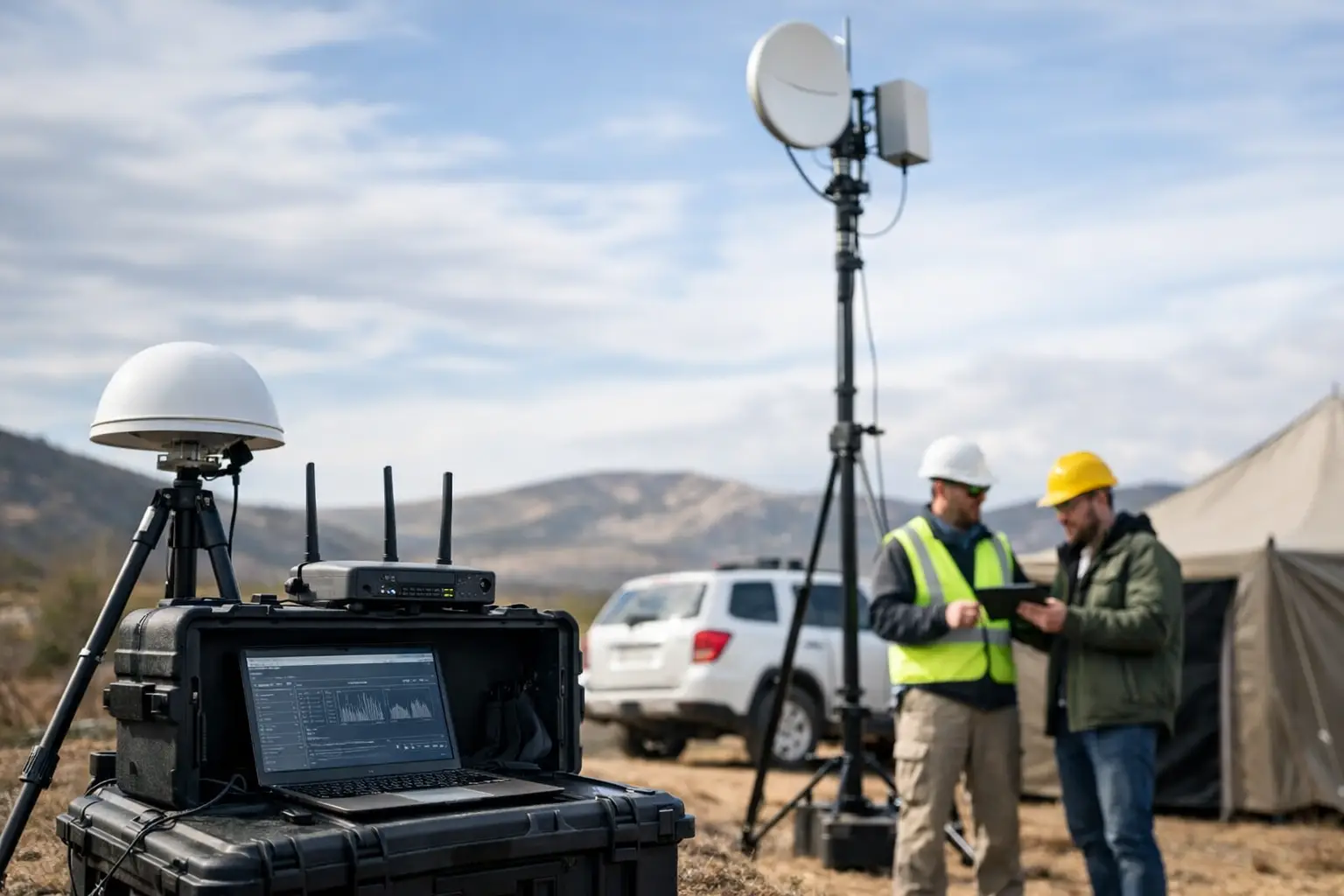
A command trailer arrives at a wildfire staging area. A construction project moves beyond fiber reach. An offshore crew needs voice, video, telemetry, and business applications before the first shift begins. In each case, a temporary network for field operations is not a convenience layer. It is operational infrastructure that must perform under changing terrain, weather, traffic demand, and time pressure.
The difference between a field network that supports the mission and one that creates new problems is engineering. Consumer-grade hotspots, improvised Wi-Fi, and point products can provide a quick signal. They rarely provide the coverage control, backhaul capacity, mobility support, security, or uptime required when field teams depend on communications to make decisions and keep people safe.
Start With the Operational Requirement
A temporary deployment should begin with the work being performed, not with a preferred radio or transport technology. Network planners need to establish who requires connectivity, where they will move, which applications have priority, and what interruption is acceptable. A site supporting digital work orders and email has a different design target than a public safety incident command post carrying live video, dispatch traffic, and agency data.
Coverage is only one part of the requirement. A temporary network may need to connect fixed facilities, mobile command assets, marine vessels, vehicles, sensors, cameras, drones, or remote crews. Each endpoint creates different radio, antenna, power, and routing considerations. The network also needs a defined service life. A three-day disaster response deployment can tolerate some manual procedures that would be costly and risky on a six-month energy project.
The most useful early questions are practical: What traffic must work first? What is the geographic footprint? Is the site stationary, moving, or both? Where is the nearest viable internet handoff? Can the system be physically secured and powered? These answers determine whether the right architecture is primarily microwave backhaul, private LTE/5G, Wi-Fi distribution, satellite, or a layered combination.
Build the Network From the Backhaul Forward
Field deployments often fail because the access network is planned before the transport path. Strong Wi-Fi coverage does not help if the upstream link is congested, obstructed, unstable, or undersized for the traffic it carries.
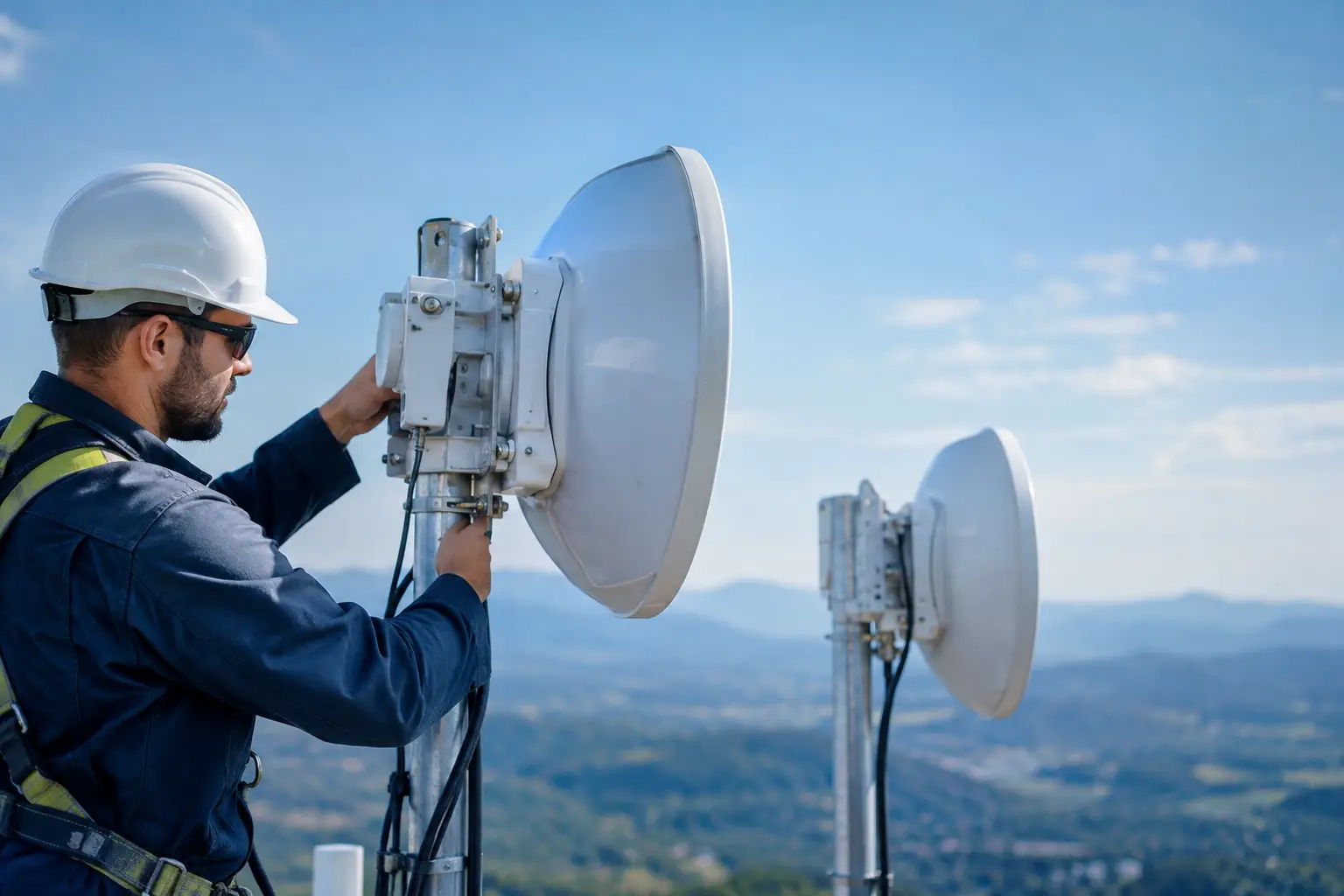
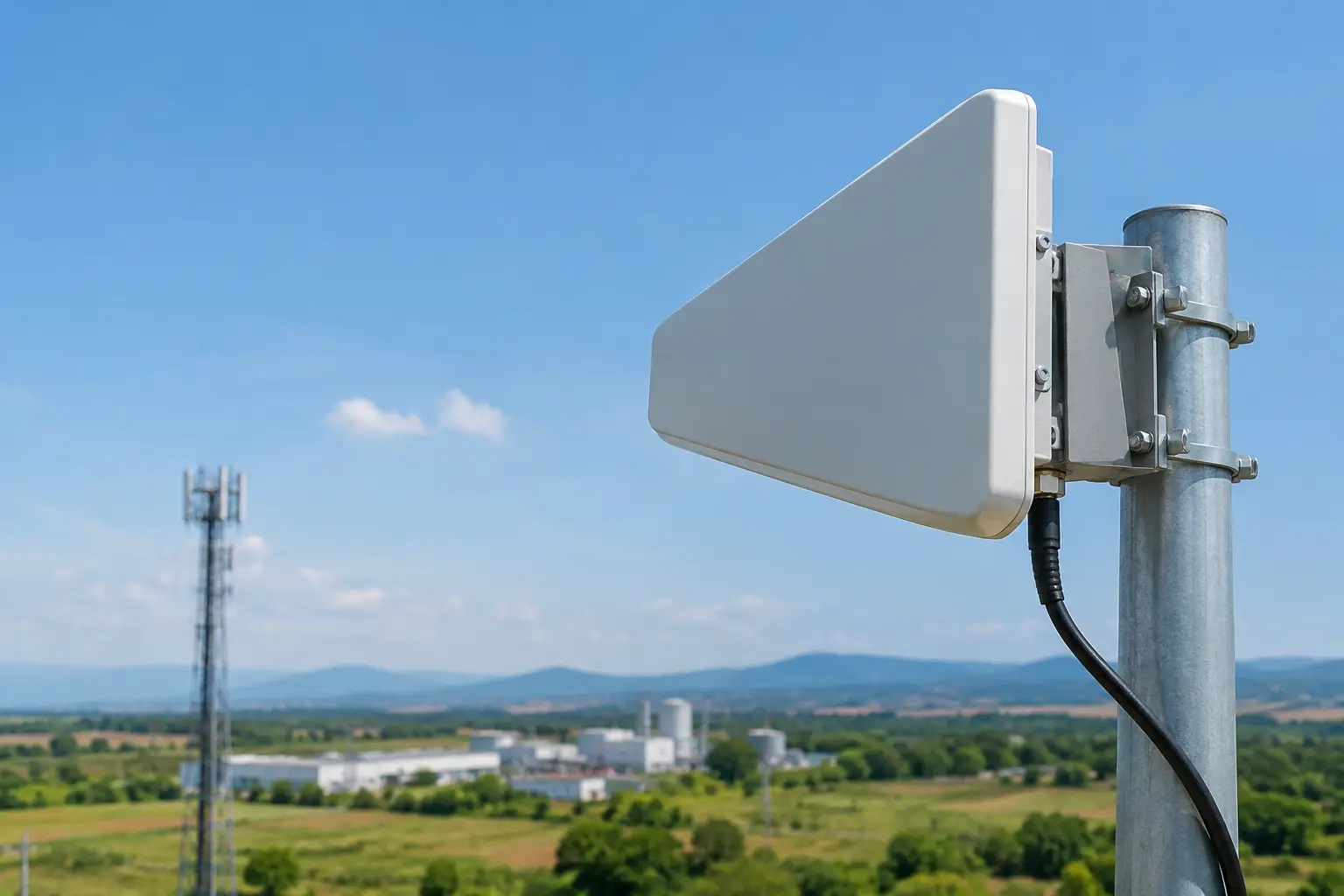
Backhaul options depend on distance, terrain, available spectrum, mobility, and required throughput. A line-of-sight stabilized microwave link can provide high-capacity transport from a field site to an existing network or internet point of presence. Where the endpoint moves or operates on water, auto-aiming antenna systems maintain alignment as platform position and heading change. This is especially relevant for maritime operations, vehicle-mounted command systems, ground-to-air communications, and mobile industrial assets.
Path planning matters as much as radio selection. Trees, structures, terrain changes, Fresnel-zone obstruction, rain fade, and antenna mounting limitations all affect link performance. An engineered design accounts for expected path conditions and reserve capacity rather than assuming a clear path on the day equipment is installed.
Satellite can be a valuable transport option where terrestrial connectivity is unavailable, but it should be evaluated against latency, service availability, cost, and application behavior. It may be the primary path for an isolated site or a backup path for a microwave-connected operation. The correct choice depends on the mission and the consequences of losing a single transport route.
Design for More Than One Failure Mode
Temporary does not mean disposable. If a network supports emergency coordination, production activity, remote operations, or safety systems, resilience needs to be planned into the deployment. This may include dual backhaul paths, separate power sources, battery runtime, generator integration, protected equipment enclosures, and failover policies that preserve priority traffic.
Redundancy has a cost, and not every field site warrants a fully duplicated design. The important step is to match the level of protection to operational impact. A short-term survey crew may accept a brief outage. A command post, offshore platform, or active construction zone may not.
Use Private LTE/5G Where Mobility and Control Matter
Wi-Fi remains effective for localized coverage in offices, trailers, work compounds, and staging areas. Its performance becomes harder to manage across larger areas, around moving vehicles, and in environments where users must remain connected while traveling between coverage zones.
Private 4G LTE and 5G provide a more controlled approach for field mobility. A private cellular network can support managed access, mobility, quality-of-service policies, and coverage across a defined operational area. It can connect tablets, handhelds, routers, cameras, sensors, and purpose-built industrial devices without relying on public carrier coverage that may be absent, overloaded, or insufficiently controllable.
This does not make private cellular the automatic answer. Spectrum access, device compatibility, core network design, installation schedule, and expected density all require review. For a small, fixed work area, Wi-Fi may be more economical. For a dispersed operation with moving personnel and critical devices, private LTE/5G can justify its added planning through more consistent coverage and operational control.
A well-designed field network commonly uses both. Private cellular provides wide-area mobility, while Wi-Fi serves high-density zones and specialized local applications. Both ride on a backhaul layer sized for actual traffic demand, including video uploads, cloud applications, remote support sessions, and future growth.
Engineer the Physical Deployment for Field Conditions
Network architecture is only as dependable as its installation. Temporary sites create physical constraints that permanent facilities often avoid: limited tower access, unstable mounting surfaces, vehicle vibration, salt exposure, extreme heat, blowing dust, ice, high winds, and constrained power.
Equipment must be selected and mounted for the environment it will face. Antenna height and location affect both coverage and link clearance. Cable routing affects reliability and serviceability. Enclosures need appropriate environmental protection, cooling strategy, grounding, and access control. On mobile platforms, stabilized and auto-aiming systems reduce the operational burden of repeatedly finding and holding a distant link.
Power design deserves the same attention as RF design. A field network should have a realistic power budget that includes radio equipment, network appliances, heaters or cooling where required, charging loads, and startup conditions. Battery runtime should be calculated against the applications that must remain active during an interruption, not against an optimistic average load.
Deployment speed also comes from standardization. Preconfigured network kits, labeled components, tested cable assemblies, known mounting methods, and documented commissioning procedures reduce field errors. BATS Wireless designs integrated systems around these deployment realities, combining antenna tracking, radios, backhaul, and network elements into an operational solution rather than leaving the integration work to the site team.
Secure the Site Without Making It Hard to Operate
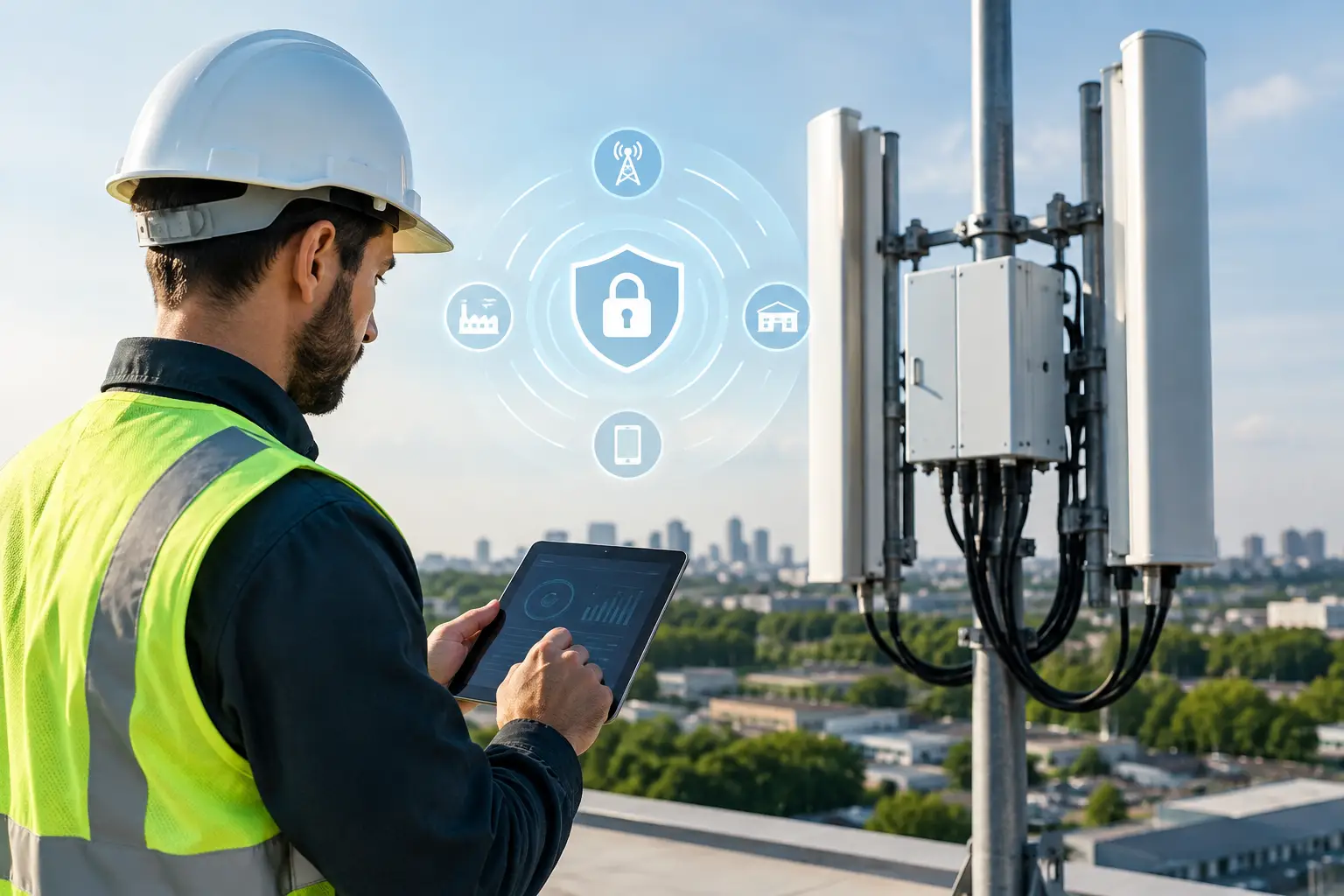
Temporary networks are often deployed outside the normal protections of a data center or corporate office. They may operate in public areas, shared compounds, remote yards, or mobile vehicles. That makes physical access, identity management, segmentation, and remote administration central design concerns.
Access should be tied to roles, devices, and operational need. Separate traffic domains can isolate business users, operational technology, visitor access, cameras, and management systems. Encryption and authenticated access protect communications, while network monitoring helps operators identify degraded links, unusual traffic, unauthorized devices, and failed equipment before they become field disruptions.
Security controls must remain usable under pressure. A design that requires specialized local intervention for routine troubleshooting can delay restoration when the right technician is hours away. Remote visibility, controlled remote access, and clear escalation procedures make a temporary system easier to sustain over its full deployment period.
Commission, Test, and Operate the Network
A site is not ready because radios are powered on. Commissioning should validate throughput, latency, packet loss, coverage boundaries, roaming behavior, failover performance, voice quality, video operation, and access controls. Testing should reflect real work patterns. If crews will upload inspection video at shift change or run multiple command applications during an incident, those conditions should be tested before the network is handed over.
Document the installed state, including antenna orientation, link metrics, IP addressing, power connections, spectrum settings, and recovery procedures. Field teams need a concise operational playbook, while network managers need enough detail to support the system remotely and plan changes without guesswork.
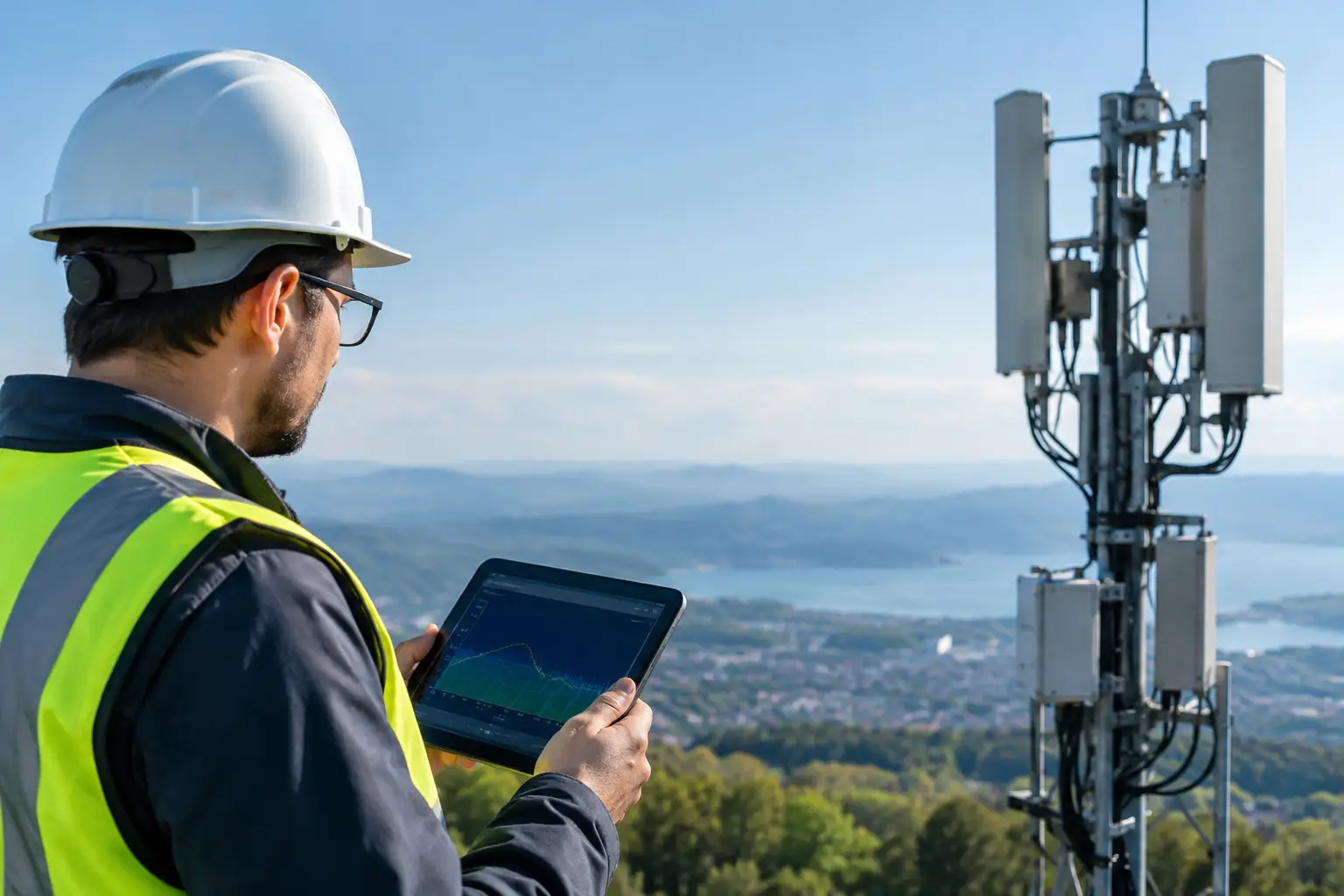
A temporary network is also a source of useful operational data. Utilization trends reveal whether capacity is adequate. Coverage reports identify weak areas. Alarm history points to power, path, or environmental issues. That information can improve the next deployment and help determine when a temporary installation should evolve into a longer-term communications asset.
The right field network gives crews a dependable working edge: communications that remain available where the operation actually happens, built around the mission rather than the nearest available signal.
October 25, 2026
October 25, 2026
October 25, 2026
October 25, 2026
