Antenna Tracking Calibration for Moving Links
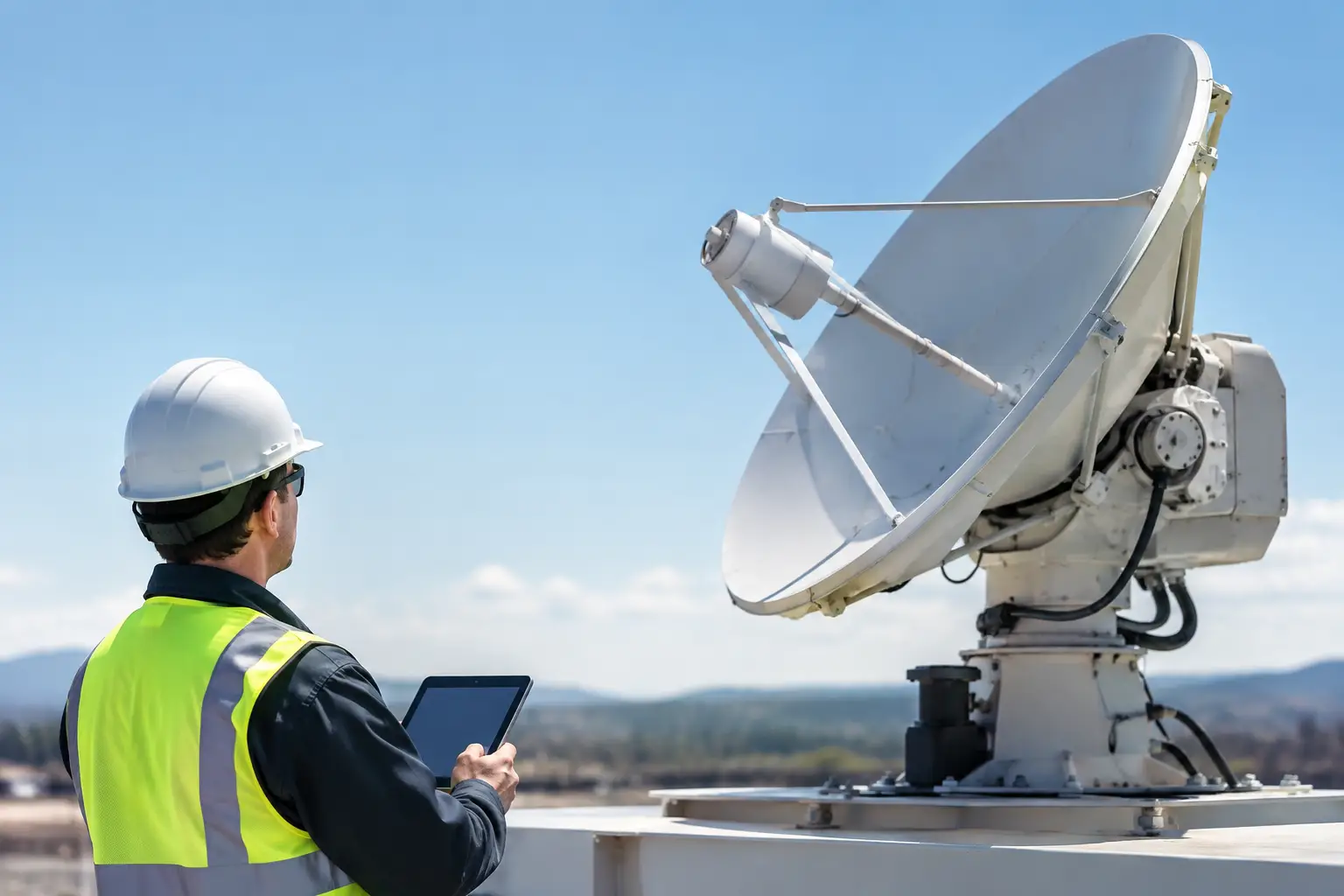
Antenna tracking calibration keeps mobile microwave links aligned, stable, and available across maritime, defense, industrial, and in remote operations.

Antenna tracking calibration keeps mobile microwave links aligned, stable, and available across maritime, defense, industrial, and in remote operations.
This guide to onboard network design explains backhaul, Wi-Fi, private LTE/5G, security, and commissioning for daily mobile, mission-critical operations.
Private cellular for mobile assets delivers secure, reliable coverage for fleets and field operations, with engineered backhaul, mobility, and control at scale.
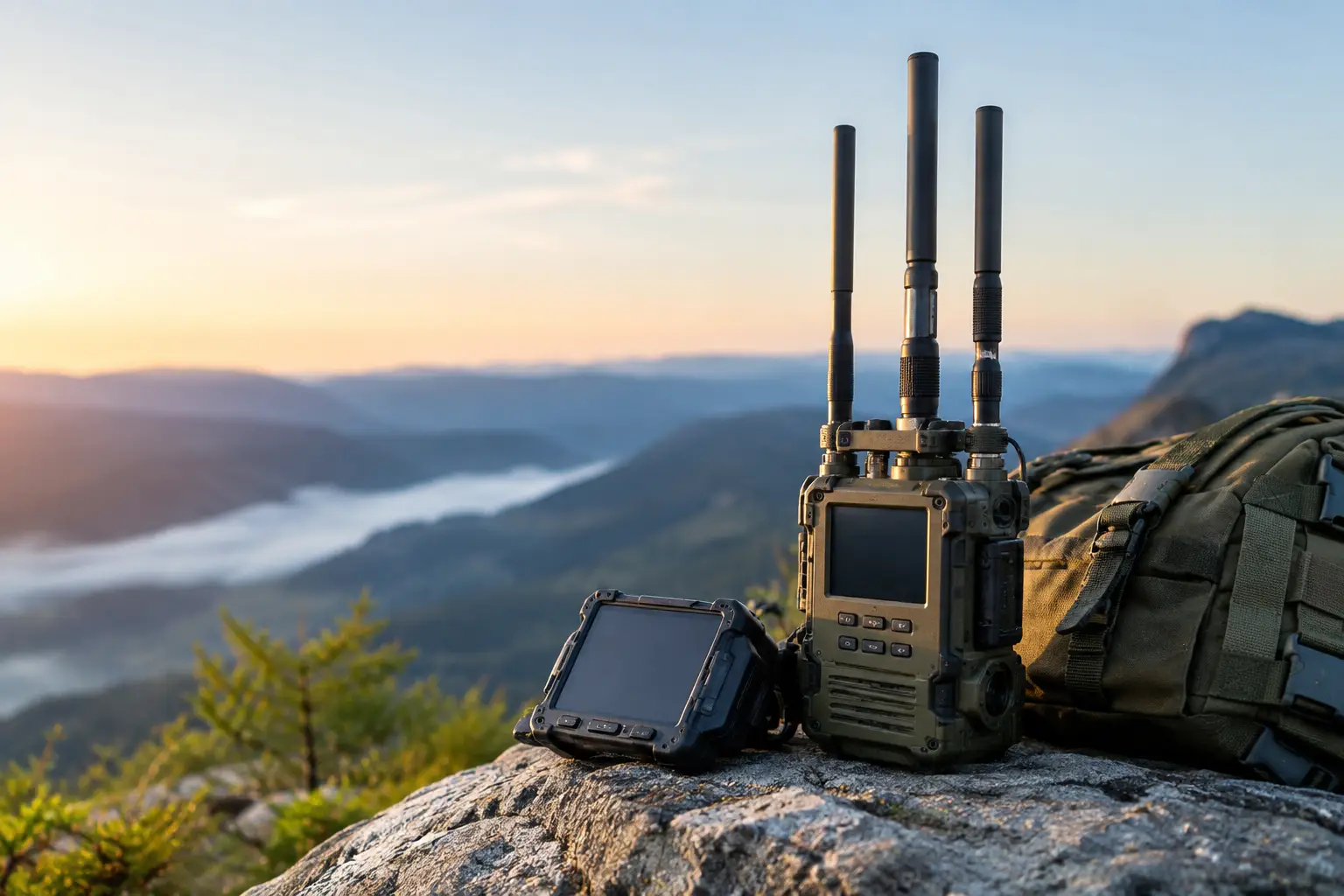
Rugged wireless communication systems keep crews, vehicles, vessels, and remote field sites connected with engineered backhaul, tracking, and private LTE/5G.
Learn how to size microwave backhaul for capacity, availability, fade margin, and mobility across remote industrial and mission-critical links in service.
Assess the best maritime broadband alternatives for offshore vessels, from private LTE and stabilized microwave to satellite, with deployment trade-offs.
Assess the best maritime broadband alternatives for offshore vessels, from private LTE and stabilized microwave to satellite, with deployment trade-offs.
See an energy site wireless deployment example built for remote operations, with private LTE, microwave backhaul, redundancy, and field-ready design.
Vehicle mounted microwave connectivity provides high-capacity links for moving assets, supporting resilient backhaul, onboard networks, and operations.
Compare the best connectivity options offshore, from LEO and GEO satellite to stabilized microwave and private LTE/5G, for dependable maritime operations.