
Private 4G Networks Guide 2026: Benefits, Costs & Deployment
Explore private 4G networks in 2026: real costs, deployment steps, and why LTE beats Wi-Fi for industrial connectivity. Get the complete enterprise guide.

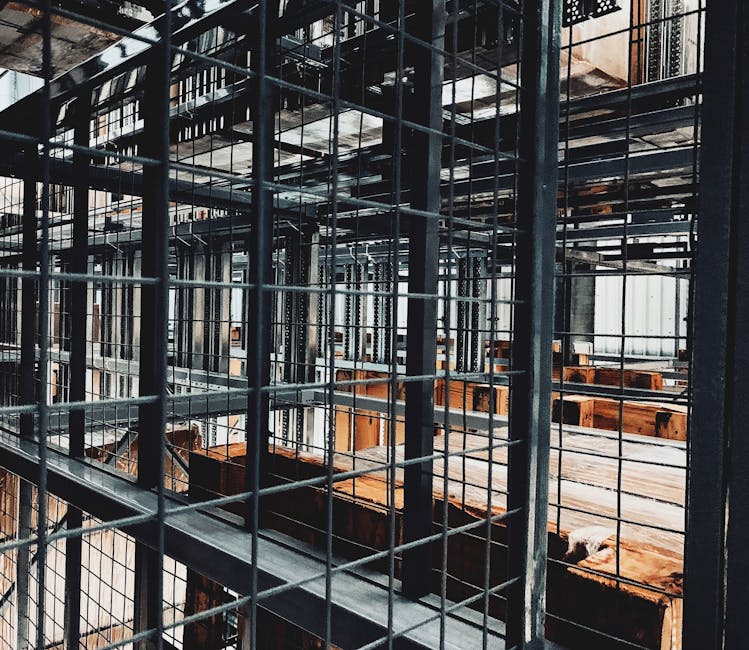
As businesses seek more reliable connectivity for industrial operations, private 4G networks are emerging as a critical upgrade over traditional Wi-Fi. These dedicated cellular systems give organizations complete control over their wireless infrastructure, delivering predictable performance across factories, warehouses, ports, and energy facilities. This guide explains what private 4G networks are, why they remain relevant in 2026 despite the 5G hype, and how to evaluate them for your enterprise environment.
Table of Contents
- What Is a Private 4G Network? (Definition and Core Architecture)
- Private 4G vs. Wi-Fi vs. 5G: Which One Is Right for Your Business?
- The Real Cost of Private 4G Networks in 2026
- Step-by-Step: How to Deploy a Private 4G Network
- Top Use Cases for Private 4G Networks in US Industries
- Security Considerations for Private 4G
- The Future of Private 4G: Why It Is Not Going Away in 2026
What Is a Private 4G Network? (Definition and Core Architecture)
A private 4G network is a dedicated LTE cellular system built for a specific enterprise site. Unlike the public networks operated by AT&T, Verizon, or T-Mobile, a private 4G network serves a single organization. The data never touches a carrier's core network or the public internet unless the organization explicitly routes it that way. Everything stays on-site, under local control.
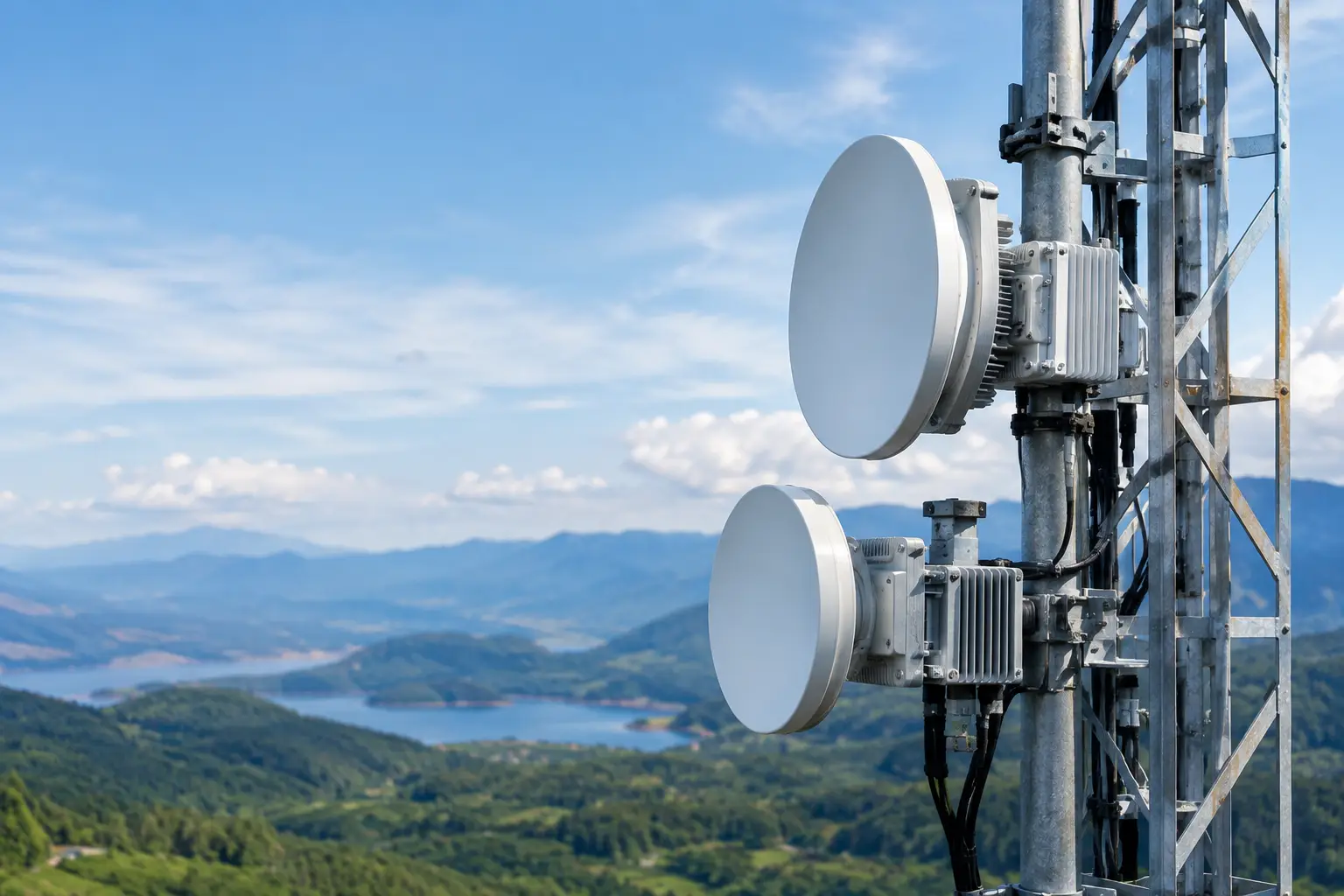
The architecture consists of three core components. First, the Radio Access Network, or RAN, includes small cells and base stations that broadcast the LTE signal across the facility. These are scaled to the site, from a handful of indoor small cells to outdoor macro towers covering several square miles. Second, the Evolved Packet Core, or EPC, handles data processing, device authentication, and traffic routing. In a private deployment, the EPC runs on a local server rather than in a carrier's distant data center. Third, SIM provisioning provides the identity layer. Every device connecting to the network uses a SIM card with unique credentials, just like a phone on a public network, but managed entirely by the enterprise.

Spectrum options in the United States fall into three categories. Licensed spectrum involves purchasing or leasing exclusive rights from carriers. Unlicensed spectrum operates in shared bands similar to Wi-Fi. The most practical option for most enterprises is the Citizens Broadband Radio Service, known as CBRS. This shared spectrum band offers two tiers: Priority Access Licenses, or PALs, which provide guaranteed quality of service through auctioned licenses, and General Authorized Access, or GAA, which is free but shared among all users in a given area.
The key distinction from Wi-Fi is fundamental. Private 4G uses dedicated spectrum and cellular protocols designed for mobility, interference management, and predictable handover between access points. Where Wi-Fi struggles with metal shelving, concrete walls, and moving machinery, private 4G maintains consistent connections across the entire coverage zone.
Private 4G vs. Wi-Fi vs. 5G: Which One Is Right for Your Business?
Choosing the right wireless technology requires understanding the trade-offs between private 4G, Wi-Fi, and private 5G. Each has strengths, and the decision hinges on your specific operational requirements.
Private 4G vs. Wi-Fi 6/6E
In industrial settings, private 4G delivers up to 40 percent better reliability than Wi-Fi, according to research cited by RSRF. The reason is simple: Wi-Fi operates in unlicensed spectrum crowded with interference from equipment, neighboring networks, and physical obstacles. Metal racks in warehouses, concrete pillars in factories, and constantly moving forklifts all degrade Wi-Fi signals. Private 4G uses cellular protocols engineered to handle these challenges through coordinated scheduling and seamless handover.
Coverage is another decisive factor. A single private 4G small cell can cover 1 to 3 miles outdoors and penetrate deep into buildings. Wi-Fi access points typically reach only 100 to 300 feet and struggle through walls. For a 500,000-square-foot distribution center, you might need 50 Wi-Fi access points but only 5 to 8 private 4G small cells. Fewer access points mean fewer failure points and lower cabling costs.
Security on private 4G is built into the protocol stack. SIM-based authentication ensures only authorized devices connect. Encrypted tunnels using IPsec protect data in transit natively. Wi-Fi requires additional layers like VPNs, certificate management, and RADIUS servers to achieve comparable security, adding complexity and administrative overhead.

The trade-off is cost. Wi-Fi hardware is commodity-priced and widely available. For a small office with low device density and minimal mobility requirements, Wi-Fi 6E remains the economical choice. But for high-density, high-mobility, or mission-critical environments, private 4G justifies its premium through reliability and coverage.
Private 4G vs. Private 5G
Private 5G offers blazing data speeds measured in multiple gigabits per second and ultra-low latency below 10 milliseconds. These capabilities enable real-time control of robotic arms, augmented reality for maintenance technicians, and massive MIMO antenna arrays for ultra-dense indoor venues. If your use case demands these extremes, 5G is the right path.
However, private 4G holds a significant maturity and cost advantage. The ecosystem is stable, with proven interoperability between vendors. Equipment is widely available and competitively priced. Most importantly, 4G is not being phased out. No major US carrier has announced plans to sunset LTE before 2030, and the technology will remain operational well beyond that date. Investing in private 4G in 2026 is a safe, long-term decision.
For the majority of current enterprise use cases, private 4G provides more than enough capacity. Asset tracking, video surveillance, SCADA telemetry, and IoT sensor networks operate comfortably within LTE's bandwidth and latency envelopes. Deploying 5G for these applications is overkill, adding cost without delivering proportional value.
When to Choose Private 4G
Choose private 4G if you need wide-area coverage across a campus or outdoor site, support for thousands of connected devices, or reliable connectivity in challenging RF environments like warehouses, oil fields, or manufacturing floors. Choose private 5G if your operations require real-time robotics control, augmented or virtual reality applications, or massive MIMO for ultra-dense indoor venues where thousands of devices per square foot need simultaneous high-bandwidth connections.
The Real Cost of Private 4G Networks in 2026
One of the most frustrating gaps in available information about private 4G networks is pricing. No major vendor publishes transparent cost data, leaving enterprises guessing. While every deployment is unique, the following ranges provide a realistic starting point for budgeting.
Hardware costs form the largest upfront investment. Small cell radios typically range from $2,000 to $5,000 per node, depending on transmit power, MIMO configuration, and environmental hardening for outdoor use. A mid-sized warehouse might require 6 to 10 small cells. The EPC server, which runs the core network software, adds $10,000 to $50,000 depending on capacity and redundancy requirements. SIM cards cost $2 to $5 each in bulk, and industrial routers or gateways for connecting legacy equipment run $500 to $2,000 per device.
Spectrum costs vary by approach. CBRS GAA is free, making it the most accessible option for initial deployments. If you need guaranteed quality of service through a PAL, auction costs typically range from $500 to $2,000 per MHz per population covered, though prices fluctuate by market. Leasing spectrum from a carrier or spectrum access system provider offers another path with predictable monthly fees.
Installation and integration include the site survey, RF planning, cabling, mounting, and core network configuration. Budget $15,000 to $40,000 for a typical industrial deployment, though complex sites with challenging terrain or extensive cabling requirements can exceed this range. Ongoing operational expenses include maintenance contracts, spectrum lease renewals if applicable, and managed service fees if you outsource monitoring and support.
A realistic ROI scenario illustrates the value. Consider a warehouse replacing Wi-Fi with private 4G to control automated guided vehicles. Wi-Fi dropouts cause AGVs to stop, requiring manual intervention and creating bottlenecks that ripple through the operation. With private 4G, downtime from connectivity failures drops by 30 percent. If each hour of downtime costs $2,000 in lost productivity, a $75,000 deployment pays for itself in approximately 18 months. After that, the savings flow directly to the bottom line.
These figures are estimates. Site-specific factors like building materials, device count, and coverage area significantly influence final costs. Requesting a detailed quote based on a professional site survey is the only way to get accurate pricing for your environment.
Step-by-Step: How to Deploy a Private 4G Network
Deploying a private 4G network follows a structured process. While the specifics depend on your site and vendor choices, this roadmap covers the essential phases.
Step 1: Site Survey and Spectrum Selection
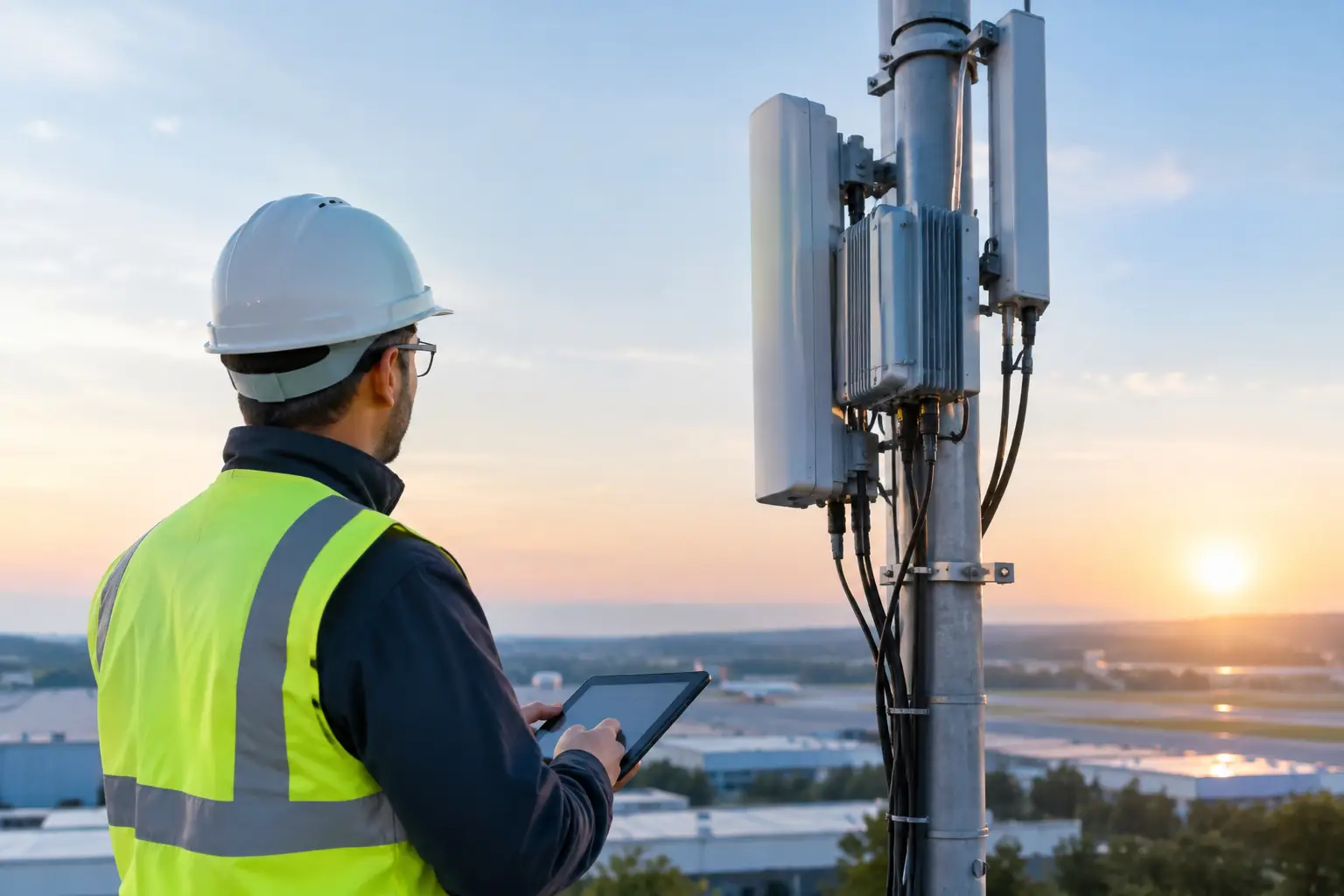
Begin with a professional RF site survey. Engineers map your facility's physical layout, identify sources of interference, and determine optimal small cell placements to achieve the required coverage. The survey also catalogs device types, locations, and mobility patterns. Based on the survey findings, decide between CBRS GAA for cost-free shared access or PAL for guaranteed quality of service. For most enterprises, GAA provides sufficient performance for initial deployment, with the option to upgrade to PAL later if needed.
Step 2: Choose Your Core and RAN
Select an EPC software platform from vendors such as Druid Software, Athonet, or Cisco, and compatible small cells from manufacturers like Baicells, Nokia, or Sercomm. Interoperability is critical. Verify that your chosen RAN and EPC support 3GPP Release 13 or later and confirm SIM provisioning compatibility, whether you plan to use physical SIMs or embedded eUICC SIMs for remote provisioning. Working with an integrator who has tested specific combinations saves time and prevents compatibility issues during deployment.
Step 3: Provision Devices and SIMs
Order programmable SIM cards configured for your private network's Access Point Name, or APN. Each device, whether a sensor, camera, or AGV controller, receives a unique International Mobile Subscriber Identity number and associated security policies. This provisioning process defines which devices can access the network, what resources they can reach, and how traffic is prioritized. For large deployments, automated provisioning tools streamline what would otherwise be a tedious manual process.
Step 4: Test, Optimize, and Go Live
Before cutting over production traffic, run comprehensive throughput and latency tests at edge coverage zones where signal strength is weakest. Optimize handover parameters for mobile devices like forklifts and drones to ensure seamless transitions between small cells. Document baseline performance metrics, including signal strength, throughput, latency, and packet loss, to establish service level agreement benchmarks for ongoing monitoring. Once testing confirms the network meets specifications, migrate devices from the legacy Wi-Fi or public cellular network and begin production operations.
Top Use Cases for Private 4G Networks in US Industries
Private 4G networks deliver value across multiple sectors, each with distinct requirements that Wi-Fi struggles to meet.
In manufacturing, real-time monitoring of programmable logic controllers and automated guided vehicles demands consistent, low-latency connectivity. Wi-Fi dropouts on assembly lines cause production stoppages that cascade through the supply chain. Private 4G eliminates these failures, enabling predictive maintenance sensors to report continuously and AGVs to navigate without interruption.
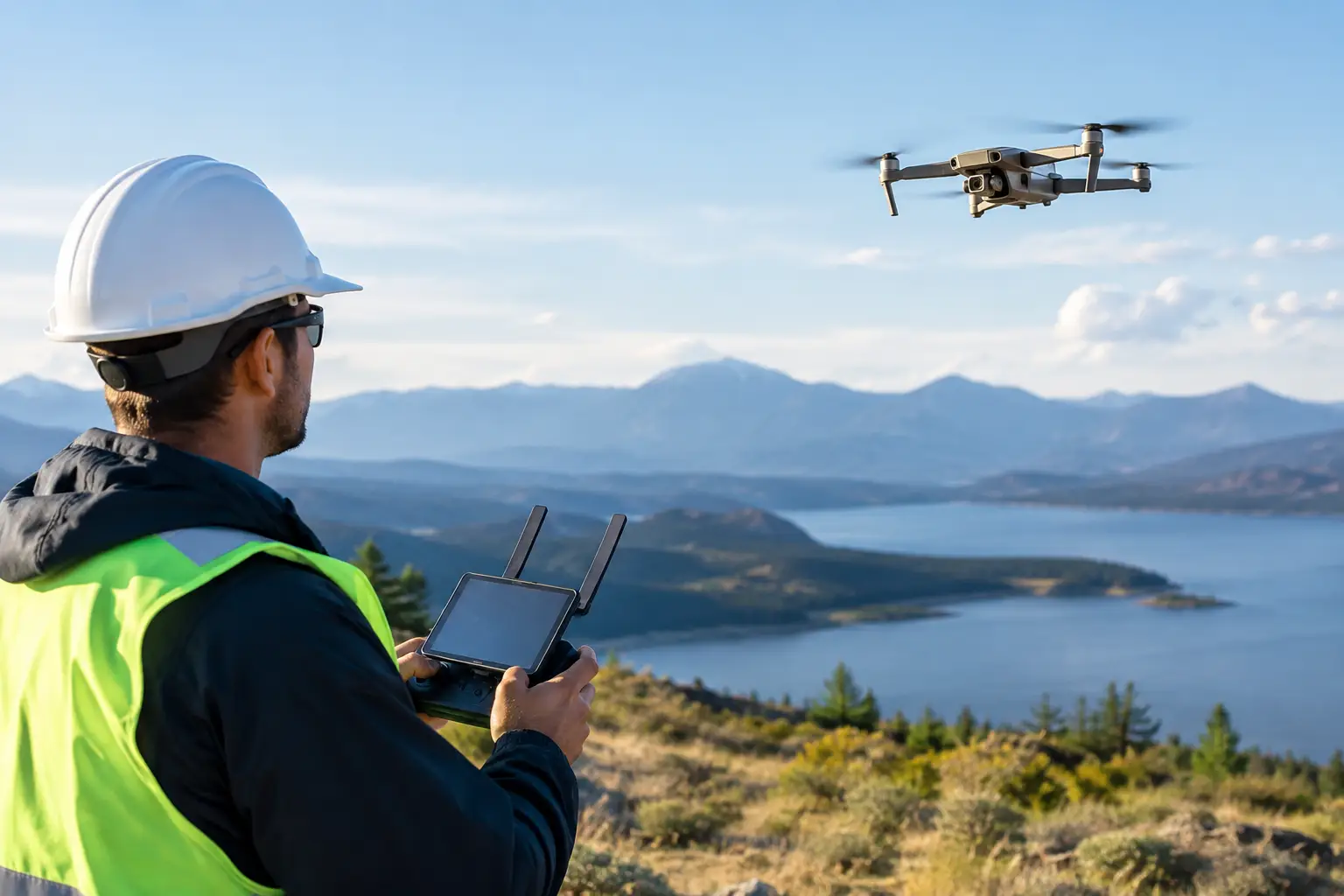
Logistics and warehousing operations benefit from asset tracking at the pallet level across vast distribution centers. Voice-picking headsets require seamless handover as workers move through aisles, and drone inventory scanning depends on reliable uplink video streams. Private 4G covers the entire facility with fewer access points, reducing infrastructure complexity while improving coverage.
Energy and mining present extreme environments where connectivity is both critical and difficult. Offshore oil rigs, exemplified by Tampnet's subsea fiber-connected private LTE networks, require communications that survive salt spray, high winds, and explosive atmospheres. Wind farms and solar fields spread across hundreds of acres need coverage where running Ethernet cables is impractical. Underground mines demand penetration through rock and around corners, a challenge that cellular protocols handle far better than Wi-Fi.
Healthcare facilities use private 4G for HIPAA-compliant patient monitoring data transmission, mobile electronic health record carts that roam between buildings, and IoT-enabled medical devices that must maintain connectivity during power fluctuations or emergency surges. The built-in security and reliability of private cellular align with the stringent requirements of clinical environments.
Security Considerations for Private 4G
Private 4G networks are more secure than Wi-Fi by design, but they are not invulnerable. Understanding the risks and implementing appropriate mitigations is essential.
Potential attack vectors include SIM cloning, where an attacker duplicates a legitimate SIM to gain network access. Rogue small cells, if not properly authenticated against the EPC, could impersonate legitimate base stations and intercept traffic. Misconfigured EPC management interfaces exposed to the enterprise LAN create entry points for lateral movement by attackers who have already compromised other systems.
Effective mitigation starts with SIM over-the-air updates, which allow credentials to be rotated without physically retrieving devices. Network slicing isolates traffic between different device groups, preventing a compromised sensor from reaching production control systems. Firewalls between the EPC and the enterprise LAN restrict access to only necessary ports and protocols, and intrusion detection systems monitor for anomalous signaling patterns that indicate rogue base station activity.
Choosing a managed service provider that handles firmware patching and 24/7 security monitoring reduces the burden on internal IT teams. Private 4G security requires specialized expertise that most enterprises do not maintain in-house, making the managed approach both more effective and more cost-efficient.
The Future of Private 4G: Why It Is Not Going Away in 2026
The longevity of private 4G is a common concern, but the evidence is clear. No major US carrier has announced a 4G sunset before 2030. AT&T, Verizon, and T-Mobile continue to rely on LTE for IoT services including NB-IoT and Cat-M, which connect millions of industrial sensors. The ecosystem is not merely surviving; it is actively maintained and expanded.
Private 4G also serves as a foundation for private 5G. Organizations can deploy 4G now to solve immediate connectivity challenges and later upgrade the RAN to 5G while preserving the same EPC and SIM infrastructure. This evolutionary path protects the initial investment while providing a clear roadmap to higher performance when use cases demand it.
For US enterprises needing reliable, secure, and cost-effective connectivity today, private 4G is the smartest investment. The technology is mature, the ecosystem is competitive, and the deployment path is well understood. Contact BATS Wireless for a free site assessment and discover how private 4G can transform your industrial connectivity.
October 10, 2026
October 10, 2026
October 10, 2026

October 10, 2026
