
Private 5G Versus Public Cellular for Operations
Private 5G versus public cellular: compare control, coverage, security, mobility, and cost to select the network architecture for critical operations.


A drill rig leaving the edge of a carrier footprint, a patrol vessel moving beyond shoreline coverage, or a construction site that changes shape every week presents the same communications question: what network can maintain operational continuity when conditions are not ideal? The choice between private 5G versus public cellular is not simply a question of faster speeds. It is a decision about control, coverage ownership, security boundaries, mobility, and the consequences of an outage.
Public cellular is often the fastest path to service. Private 5G can provide a purpose-built wireless environment where carrier coverage, traffic priority, or local control are insufficient. For many industrial and mission-critical deployments, the right answer is not one or the other. It is an engineered combination of both, supported by resilient backhaul and a mobility strategy that reflects the operating environment.
Private 5G versus public cellular: the operational distinction
Public cellular service is delivered through a mobile network operator’s infrastructure. The operator controls the radio access network, core network, spectrum licenses, service policies, and upgrade schedule. An organization purchases service and connects devices through the carrier network, subject to the coverage and performance available at a given location.
A private 5G network is deployed for a specific organization, site, asset, or operational area. The enterprise has far greater authority over where coverage is installed, which devices are admitted, how traffic is segmented, and how radio resources are managed. The network may use licensed spectrum, shared spectrum such as CBRS, or other spectrum approaches permitted for the deployment. It can be operated by the organization, a systems integrator, or a managed service provider.
That distinction matters most when communications are part of the operation itself. If connectivity supports remote equipment control, video surveillance, command systems, crew welfare, safety monitoring, or data collection from moving assets, a general-purpose network may not provide the level of predictability the mission requires.
Where private 5G earns its place
Private 5G is designed around the operational footprint rather than the carrier’s commercial coverage plan. A mine, port, refinery, wind farm, warehouse campus, disaster staging area, or offshore vessel can place radio coverage where devices actually operate. Antenna placement, sector orientation, power levels, and backhaul paths can be engineered for terrain, obstructions, vessel motion, or changing site geometry.
Control is the primary advantage. Network administrators can define device access policies, separate operational technology traffic from business applications, and maintain local connectivity even when the wide-area connection is degraded. A local core can keep selected applications functioning on-site, which is valuable when control systems, cameras, or dispatch communications cannot wait for traffic to traverse a distant carrier core.
Private networks also support a more deliberate quality-of-service model. Critical traffic can be prioritized over routine data transfers, while capacity can be planned for known applications such as high-definition video, autonomous equipment telemetry, voice, and sensor data. This does not eliminate the need for capacity engineering. A private 5G deployment can still become congested if spectrum, radio density, backhaul, and device behavior are poorly matched to the load. The difference is that the organization can design and manage those variables.
Security is another practical consideration. Private 5G offers stronger control over the network boundary, subscriber identities, traffic routing, and application exposure. It should not be treated as a complete cybersecurity solution. Firewalls, identity management, segmentation, monitoring, and disciplined device lifecycle management remain necessary. But the ability to keep sensitive operational traffic within a defined network architecture can materially reduce exposure compared with unmanaged access paths.
When public cellular is the better tool
Public cellular remains highly effective when operations are distributed, mobile, or located within reliable carrier coverage. Field crews, service vehicles, temporary offices, tablets, and low-volume IoT devices can connect quickly without the capital expense and design effort of building dedicated radio infrastructure.
Carrier networks also provide broad geographic reach and mature roaming capabilities. For a utility workforce crossing multiple states or a logistics fleet operating on public roads, public LTE and 5G can be the most economical primary access method. Modern carrier service can offer strong performance, but results vary by location, subscriber load, spectrum availability, and the carrier’s network design.
The limitation is that the enterprise does not control the underlying radio environment. A carrier may upgrade a site, change spectrum allocations, experience localized congestion, or have no economic reason to extend coverage to a remote work area. Priority service options can improve treatment for eligible users, particularly in public safety and government contexts, but they do not replace purpose-built coverage in a dead zone or behind significant terrain and structural obstructions.
Public cellular is therefore best viewed as an access service, not an automatic guarantee of operational availability. Before assigning it to a critical workflow, teams should validate real-world signal levels, uplink performance, latency, handoff behavior, and failure modes at the places and times the work occurs.
The decision comes down to control, not marketing labels
The most useful comparison is based on the requirements of each application.
Private 5G is typically the stronger fit when the organization needs defined local coverage, deterministic traffic treatment, extensive device control, or continued local operation during a backhaul interruption. It is particularly relevant for fixed industrial facilities, temporary remote sites, ports, campuses, vessels, and field operations where the network must be adapted to the mission.
Public cellular is typically the stronger fit when users move across a large geography, demand is moderate, carrier coverage is proven, and rapid deployment matters more than full network control. It can also be a cost-saving solution for applications that do not justify dedicated infrastructure.
Cost should be assessed over the operational life of the system, not only at installation. A private network requires radio equipment, spectrum planning, core functions, backhaul, power, physical installation, monitoring, and technical support. Public cellular shifts much of that cost into recurring service charges, but can create hidden costs when crews lose time, equipment cannot report, or temporary coverage workarounds become routine.
Backhaul and mobility determine whether the design works
Neither private nor public cellular performs independently of the transport network behind it. A private 5G radio site with a single unreliable internet connection has simply moved the weak point. Likewise, a public cellular router on a moving platform may show good signal intermittently while still failing to maintain an application session through changing coverage conditions.
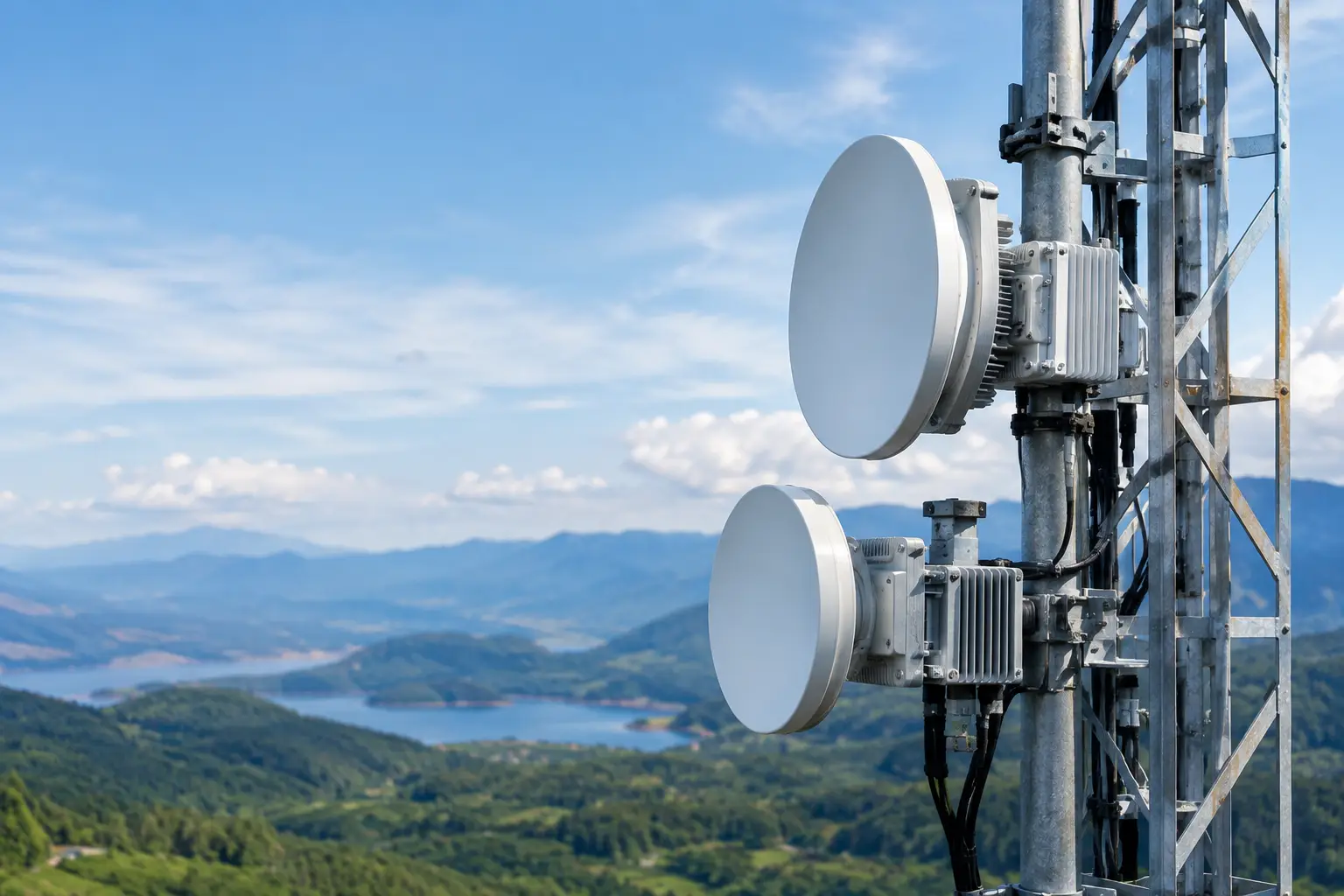
For remote and mobile operations, backhaul should be engineered as a system. Fiber may be available at a fixed site. Where it is not, point-to-point microwave, stabilized microwave, satellite, carrier aggregation, or redundant cellular paths may be appropriate. The right choice depends on distance, line of sight, weather exposure, bandwidth requirements, vessel or vehicle motion, and acceptable outage duration.
Antenna engineering is equally important. High-gain directional systems can extend a link over long distances, but they require accurate pointing and must account for path changes. Onboard and mobile deployments often need auto-aiming or stabilized antenna systems that maintain alignment while a platform moves, rolls, or changes heading. A strong radio technology selection cannot compensate for an unstable RF path.
BATS Wireless approaches these deployments as integrated communications systems, combining private 4G/5G connectivity with antenna tracking, stabilized microwave, compatible radios, and the technical services required to make the architecture perform in the field.
Build for the applications that cannot fail
A practical design process starts by separating applications by consequence. Ask which systems can tolerate a few seconds of delay, which can tolerate a temporary disconnect, and which must continue operating locally if the wide-area path fails. Video review, office access, dispatch, SCADA, crew communications, and remote control do not have identical requirements, even when they share the same radio network.
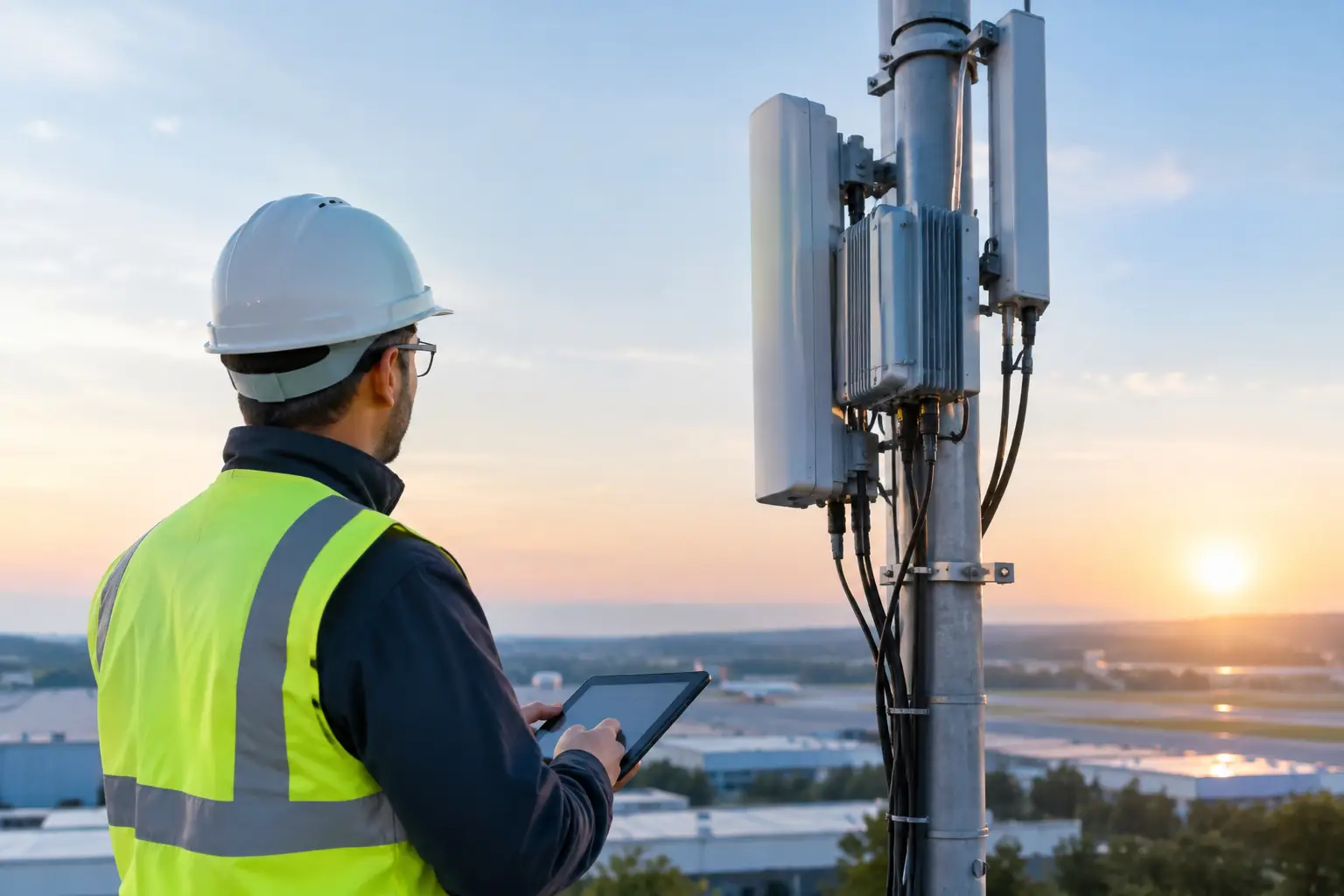
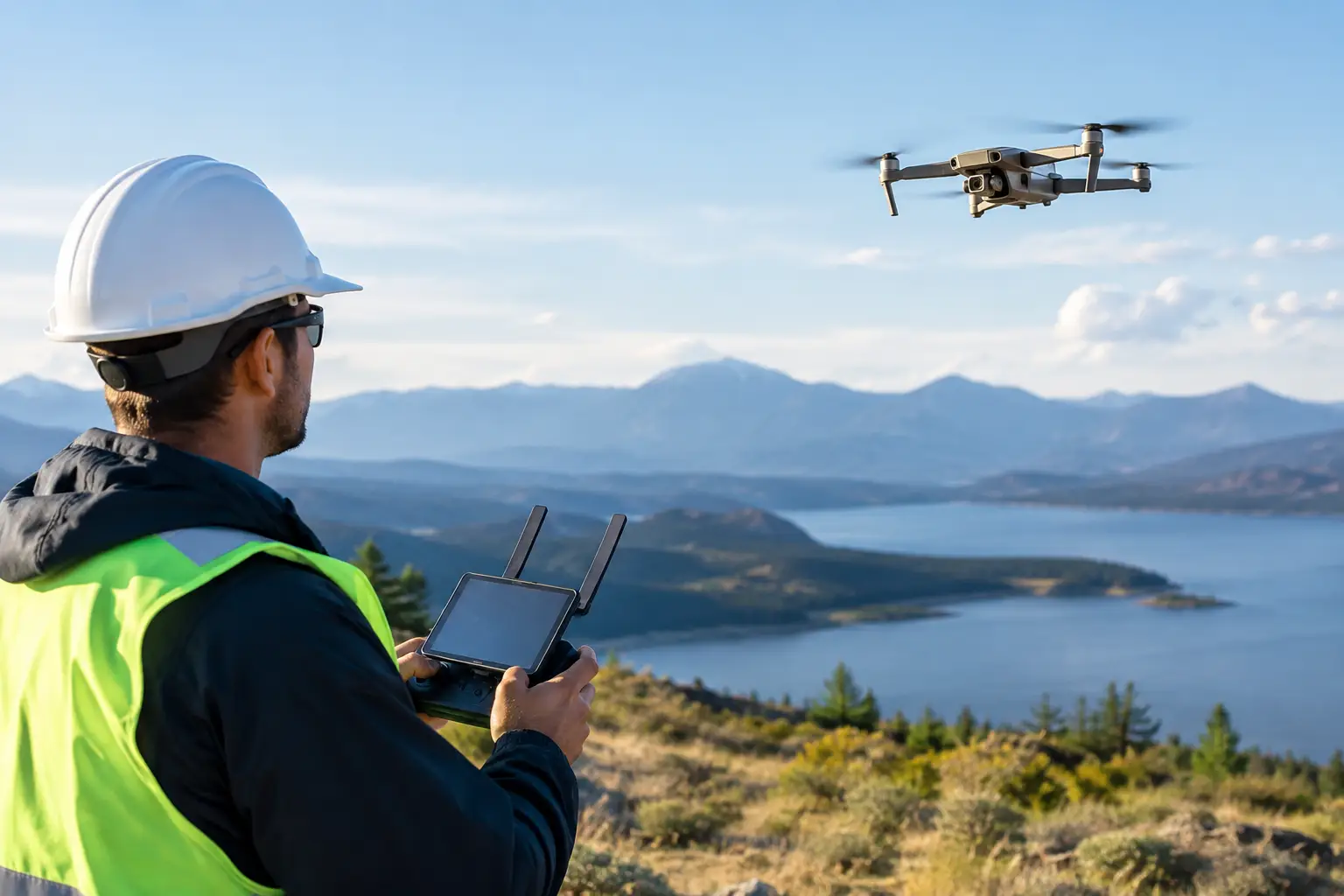
Then validate the operating area, not just a map. Conduct an RF survey where assets travel and where personnel work. Measure coverage in obstructed areas, assess uplink as well as downlink performance, model microwave paths where applicable, and test the handoffs that occur during actual movement. For temporary or evolving sites, plan for relocation and expansion from the outset.
The best network is the one that gives critical applications a known path under normal conditions and a tested fallback when conditions deteriorate. Start with the operational failure you cannot accept, then design the wireless architecture around preventing it.
October 10, 2026
October 10, 2026
October 10, 2026

October 10, 2026
